Introduction
Transforming your home with wood flooring can be one of one of the most gratifying home renovation jobs. Not only does it improve the visual appeal of your home, however it likewise adds value. However, attaining a specialist look in your do it yourself wood flooring setup needs careful planning, interest to detail, and the right devices. In this extensive guide, we'll walk you through every step of the process while offering insights on how to accomplish a flawless surface that matches that of specialist installations.
Understanding Hardwood Flooring Installation
What is Wood Flooring Installation?
Hardwood floor setup refers to the procedure of putting down wood slabs in an assigned location to develop a sturdy and aesthetically enticing surface. This can include different methods, including nail-down, glue-down, and drifting techniques, depending on the type of hardwood flooring chosen.
Types of Wood Flooring
Solid Hardwood
Strong wood floors are made from a solitary item of wood and generally come in densities ranging from 3/4 inch to 5/16 inch.
Engineered Hardwood

Benefits of Installing Wood Floors
- Aesthetic Charm: Includes warmth and elegance. Durability: With appropriate care, hardwood can last for decades. Increased Home Value: Residences with wood floors have a tendency to sell faster and at higher prices. Easy Maintenance: Straightforward cleansing techniques keep them looking fresh.
Preparing for Your DIY Project
Assessing Your Space
Before diving right into your task, assess the area where you'll be mounting the flooring. Take into consideration elements like space size, lights problems, existing flooring types, and furnishings placement.
Choosing the Right Tools
To attain a polished appearance during your hardwood flooring setup, gather these important tools:
- Tape Measure Chalk Line Mallet Flooring Nailer or Stapler Saw (Table or Round) Moisture Meter
Selecting Your Wood Flooring
When choosing your hardwood flooring:
Consider the wood types (oak, maple, cherry). Decide on color and coating-- darker colors may reveal scratches much less than lighter shades. Ensure you pick high-quality boards with very little defects.
Achieving a Professional Search in Your Do It Yourself Hardwood Flooring Installation
Think concerning what makes expert installations stick out: accuracy cuts and seamless shifts in between planks. To replicate this quality:
Take accurate measurements prior to cutting. Use a straight side for noting cuts. Allow for correct adjustment time before installment-- this suggests allowing your wood being in the space for numerous days.
Preparing Your Subfloor for Installation
Importance of Subfloor Preparation
A well-prepared subfloor is important for achieving a specialist look in your DIY hardwood floor installation. An unequal or incorrectly mounted subfloor can bring about squeaks and various other problems down the line.
Steps for Preparing Your Subfloor
Clean Thoroughly: Remove all debris and dust. Check Levelness: Make use of a progressing device; fill reduced areas with leveling substance if necessary. Repair Any kind of Damage: Deal with fractures or openings in concrete subfloors or change harmed plywood panels.Installing Underlayment
What is Underlayment?
Underlayment is an added layer placed beneath wood flooring that aids with audio absorption and wetness protection.
Selecting Underlayment Material
Choose an underlayment compatible with your picked flooring kind-- options consist of foam sheets or felt paper developed particularly for wood installations.
Laying Down Your Wood Flooring
Beginning Your Installation
Start at one edge of the space:
Lay down spacers along the wall surface to enable expansion gaps. Place your very first row of slabs against these spacers.Cutting Planks Accurately
When cutting slabs:
Measure two times; cut once! Use proper precaution such as safety glasses and listening to protection.Creating Patterns or Designs
Consider developing patterns like herringbone or chevron for added visual passion-- but remember that this needs additional planning!
Finishing Touches After Installation
Trimming Out Shift Areas
Use shift strips in between different floor covering types (e.g., rug to hardwood) or entrances to ensure smooth shifts without trip hazards.
Removing Spacers Carefully
Once everything is set up and safeguarded, get rid of spacers delicately so as not to damage sides that need touching up later.
Hardwood Floor Refinish: When Is It Necessary?
Signs You Required To Refinish
Over https://www.hernandezhardwoodfloor.com/free-estimate/ time also quality wood floorings might reveal wear; right here's when you need to think about refinishing:
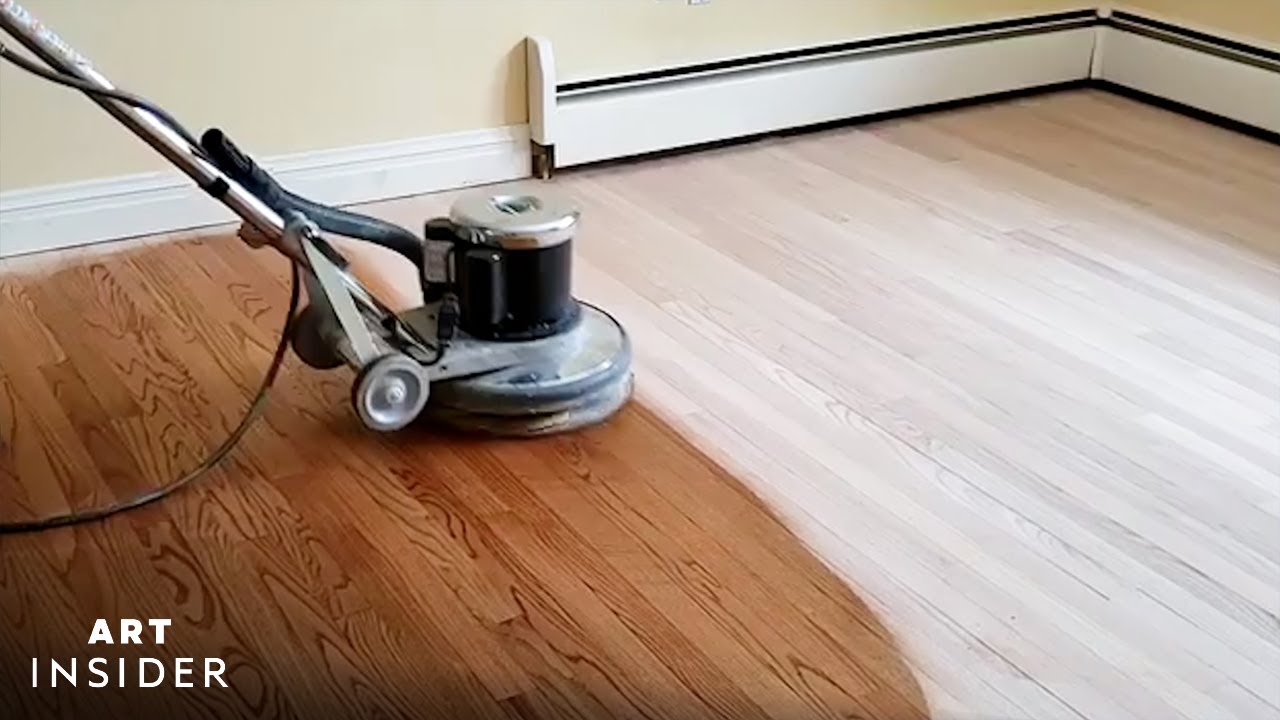
Deep scratches Faded areas Water damages stainsThe Refinishing Process
Refinishing involves sanding down the leading layer adhered to by using brand-new discolor and sealant-- this can restore your floorings dramatically!
FAQs Regarding DIY Hardwood Flooring Installation
1. How much time does it require to set up wood floors?
Typically talking, installment can take anywhere from someday to several days depending on space size and complexity.
2. Can I set up hardwood over existing flooring?
While it's possible under particular situations (like utilizing engineered wood), it's ideal technique to eliminate old flooring for ideal results.
3. Need to I work with experts if I'm unsure?

4. What type of finish need to I choose?
Selecting in between oil-based or water-based coatings frequently relies on wanted drying out time versus toughness-- water-based dries faster yet oil-based has a tendency to last longer!
5. How do I maintain my new floors?
Routine sweeping/vacuuming combined with occasional mopping utilizing advised cleaners will certainly keep them looking great!
6. Can I refinish my own floors?
Definitely! Simply guarantee you have all essential devices & & adhere to proper treatments very carefully-- safety first!
Conclusion
Achieving a professional search in your DIY wood floor installation does not have to feel challenging! With complete prep work, careful execution, and an eye for detail throughout each action-- from picking materials through ending up touches-- you can produce spectacular outcomes that improve both charm & & value within your home! So roll up those sleeves & & get going on transforming those rooms right into something truly unique today!